
Phase 2 trial suggests vitamin C may benefit people with pre-cancer blood disorders
September 21, 2026

GRAND RAPIDS, Mich. (Sept. 21, 2026) — Vitamin C is an essential nutrient that supports immune function, promotes wound healing and protects cells from molecular damage. Because many people with pre-cancer blood disorders and blood cancer have chronically low levels of vitamin C, scientists have long aimed to understand if restoring those levels to normal could improve patient outcomes.
Now, findings from the randomized, double-blinded, placebo-controlled phase 2 EVITA clinical trial, led by the Van Andel Institute–Stand Up To Cancer® Epigenetics Dream Team, suggest that vitamin C may benefit people with pre-cancerous blood disorders and early-stage blood cancers.
The results, published today in the American Cancer Society journal CANCER, found that participants who took a daily dose of 1,000 mg oral vitamin C for a year had fewer adverse events during the trial and follow-up period. Researchers also discovered that vitamin C altered levels of inflammatory signaling molecules, called cytokines, in ways that are associated with better outcomes. These shifts suggest vitamin C may help regulate inflammatory pathways that have been linked to growth and progression of pre-cancerous blood cells.
The research team did not find a significant difference between the vitamin C and placebo groups in the growth rates of abnormal blood cells, a common measure of progression toward leukemia. However, an exploratory analysis of trial data found that participants who took vitamin C were significantly more likely to be alive after approximately three years of follow-up than those who received a placebo. This promising finding requires confirmation in a larger phase 3 clinical trial.
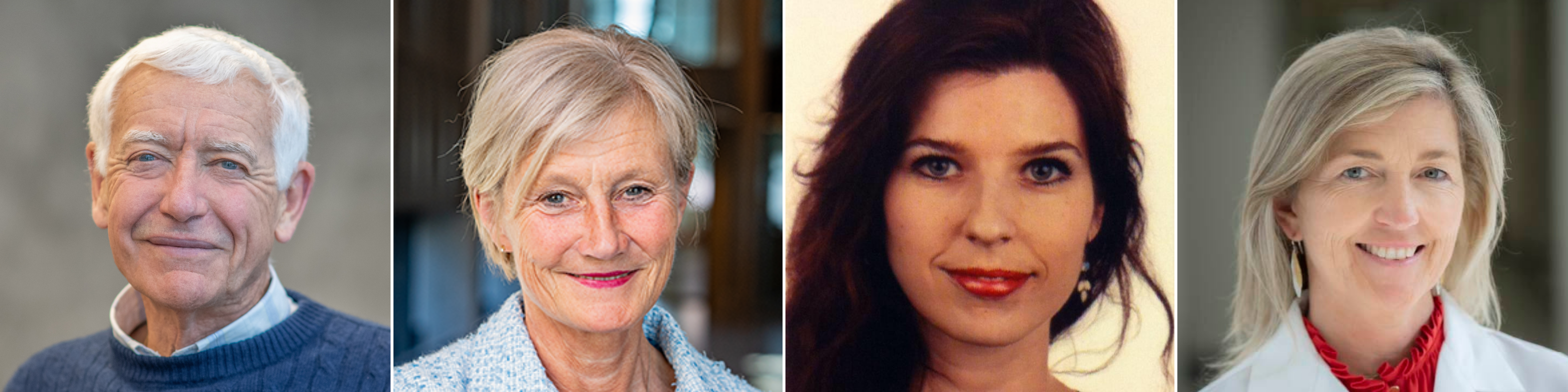
“We are tremendously excited and cautiously optimistic that our results could one day translate into a simple way to improve care and outcomes for people with pre-leukemia disorders,” said Peter A. Jones, Ph.D., D.Sc. (hon), a distinguished professor at Van Andel Institute, co-corresponding author of the study and co-leader of the VAI–SU2C Epigenetics Dream Team. “Our approach reflects a growing emphasis on cancer interception — intervening before cancer becomes established. We are working to build on the trial findings by exploring how exactly vitamin C interacts with pre-cancerous cells, including the idea that it may help restore normal epigenetic function in blood cells at risk of becoming leukemia.”
The international trial was led by Kirsten Grønbæk, M.D., Ph.D., a globally-recognized hematologist who is a member of the VAI–SU2C Epigenetics Dream Team and a professor at University of Copenhagen.
“These exciting preliminary findings lay the groundwork for a larger clinical trial to explore vitamin C as a possible way to improve patient outcomes,” said Grønbæk. “It is too early to make definitive recommendations based on our results, but we are hopeful that a more expansive study will provide further insights.”
A first-of-its-kind trial

The trial included 109 people diagnosed with clinical cytopenia of unknown significance (CCUS) or myelodysplastic syndrome (MDS) — blood disorders that can progress into a tough-to-treat type of cancer called acute myeloid leukemia (AML). The risk of CCUS and similar conditions increase with age and are more common among older people.
There are no approved therapies that prevent CCUS progression into leukemia. MDS can be treated with stem cell transplantation but many people, especially older adults, have other conditions that preclude them from undergoing a transplant. At the time of the trial, none of the participants were undergoing cancer treatment.
Participants were randomly assigned to one of two groups: a treatment group that received 1,000 mg of oral vitamin C each day for a year and a control group that received a placebo that looked, tasted and smelled identical to the vitamin C supplement but contained no vitamin C. The trial was double blinded, meaning participants and trial staff did not know to which group participants had been assigned until the end of the trial.
This randomized, double-blind, placebo-controlled design is the gold standard for clinical trials because it minimizes bias and supports objective evaluation of results.
Trial sites included Copenhagen University Hospital–Rigshospitalet, Copenhagen University Hospital–Herlev, Aalborg University Hospital and Keck Hospital of the University of Southern California.
The trial was the first double-blind, randomized, placebo-controlled trial to evaluate oral vitamin C in people with pre-leukemia conditions or lower risk myeloid malignancies. Unlike previous trials, which dispensed vitamin C through an IV, the VAI–SU2C Epigenetics Dream Team trial used oral vitamin C at the same dosage as many over-the-counter supplements. Previous trials also focused on solid tumors rather than pre-cancer blood disorders and early-stage blood cancers.
During the trial, participants provided blood samples that were analyzed for vitamin C, giving researchers an objective measure of vitamin C levels. More than half of participants were vitamin C-deficient at the start of the trial; participants in the vitamin C group saw their levels normalize after they started taking the oral supplement.
“The standard approach for patients with pre-cancer blood disorders is to monitor their blood cell counts over time. This is, understandably, very frustrating — no one wants to hear that they have a condition that increases leukemia risk but there’s nothing that can be done other than watch and wait,” said Casey O’Connell, M.D., FACP, the Lawrence and Jane Kelly Chair in Hematology at University of Southern California and lead clinician for USC’s trial site. “The EVITA trial took on this challenge by exploring vitamin C’s potential to address the underlying factors that drive leukemia development.”
The science behind the trial
For more than 70 years, scientists have explored vitamin C’s potential to support cancer treatment, but inconclusive results and methodological differences across studies left its possible role unclear. That has changed over the past decade thanks to advances in technology, which enabled discoveries that revealed vitamin C’s role in gene regulation and cell development.
These critical studies found that vitamin C is an essential partner to TET2, an enzyme that suppresses cancer cell growth by regulating whether certain genes are “on” or “off.” Mutations in TET2 can allow malignant cells to proliferate and are a common feature of leukemia and related disorders.
Learn more about vitamin C ➔
Subsequent studies in cancer models found that vitamin C appeared to prevent cancer-related cellular changes and impede leukemia progression. Importantly, these studies saw the most benefit when vitamin C supplementation started before the disease became established.
In 2016, the VAI–SU2C Epigenetics Dream Team conducted a clinical pilot study to assess whether oral supplementation was enough to increase vitamin C levels in the blood. The results suggested that this approach was feasible, and, in 2017, the team started the phase 2 EVITA trial.
“This early work was critical because it offered a foundation from which to develop the present trial,” said Stine Ulrik Mikkelsen, M.D., Ph.D., the study’s first author and a clinician who conducts research in Grønbæk’s lab. “Vitamin C is important because it is involved in a range of biological functions, including the activity of enzymes that regulate normal cell function.”
Additional analysis of the trial results is ongoing, with a focus on the biological mechanisms that may contribute to the increased survival seen in the vitamin C group.
Other authors include Ali Al-Mousawi, M.D., Amalie Bach Puglisi, M.D., Anders Pommer Vallentin, M.D., Astrid Østergaard Mortensen, Heidi Naomi Ottesen, Linn Gillberg, M.Sc., Ph.D., Morten Tulstrup, M.D., M.Sc., Ph.D., Jakob Werner Hansen, M.D., Ph.D., and Mette Klarskov Andersen, M.D., D.MSc., of University of Copenhagen and Copenhagen University Hospital–Rigshospitalet; Zachary Madaj, M.S., Toshinori Hinoue, Ph.D., Stacey L. Thomas, Ph.D., Christine N. Isaguirre, Ryan D. Sheldon, Ph.D., Marie Adams, M.S., Ryan Burgos and Peter W. Laird, Ph.D., of Van Andel Institute; Jakob Schmidt Jespersen, M.Sc., Ph.D., Niels Richard Hansen, M.Sc., and Jens Lykkesfeldt, Ph.D., D.MSc., of University of Copenhagen; Stephen Baylin, M.D., of Johns Hopkins University and Van Andel Institute; Bo Kok Mortensen, M.D., Ph.D., of Copenhagen University Hospital–Righospitalet and Copenhagen University Hospital–Herlev; and Marianne Tang Severinsen, M.D., Ph.D., of Aalborg University Hospital.
Research reported in this publication was supported by Van Andel Institute through the Van Andel Institute–Stand Up To Cancer® Epigenetics Dream Team; the Danish Cancer Society; and Greater Copenhagen Health Science Partners.
MEDIA CONTACT
Kayla Habermehl
Van Andel Institute
[email protected]
616.234.5157